
To kick off 2026, we hosted a number of outings showcasing some of the preserved vehicles that defined the 1990s era of bus operation.
First off City Imp duo ME26 & MA7 retraced some of the old Imp routes 83, 123, 130, 134 & 150. ME26 is a 1994 Eurocoach bodied Mercedes 709D restored in 2015, similarly MA7 is an 1993 Alexander bodied Mercedes 709D restored in 2007.
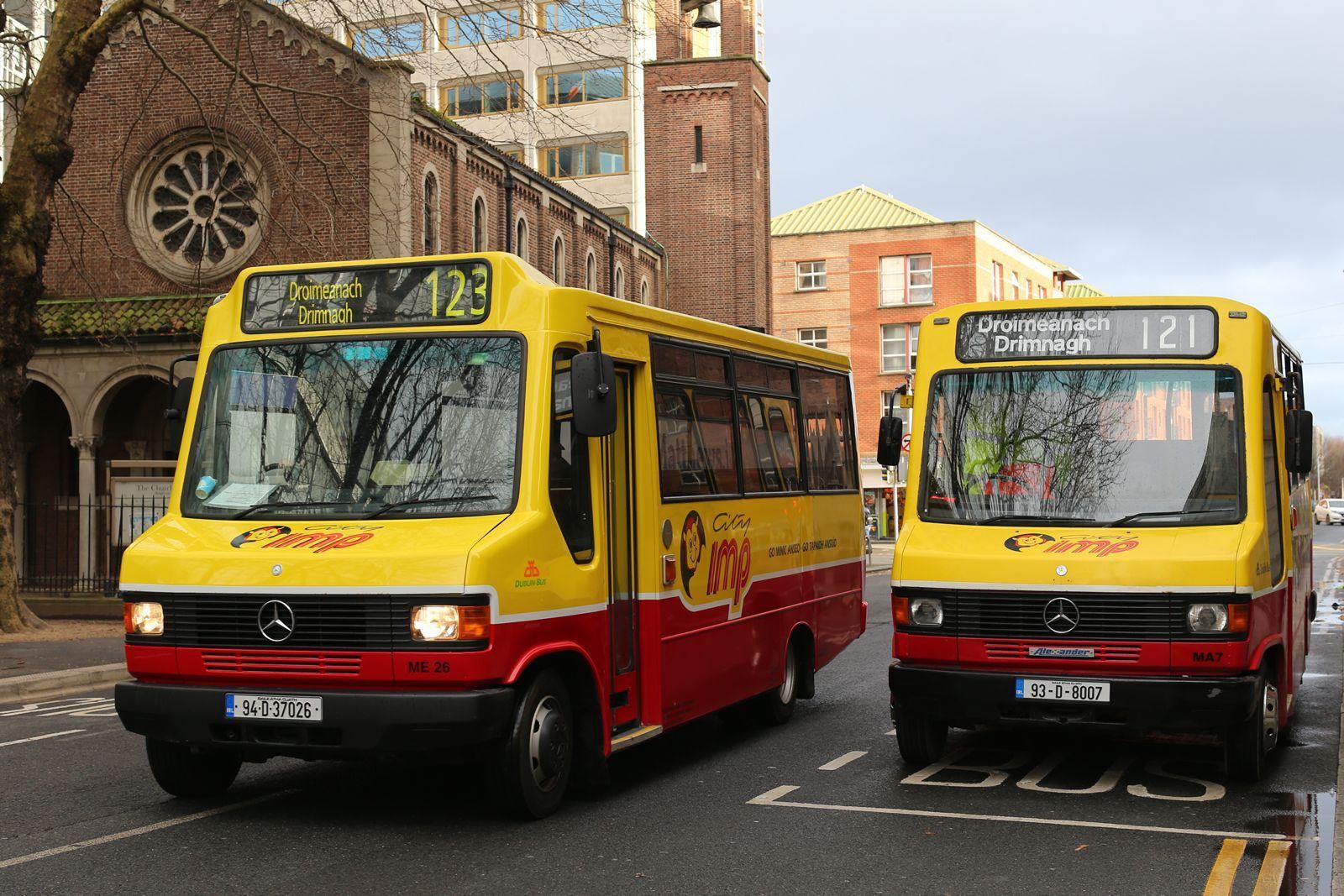
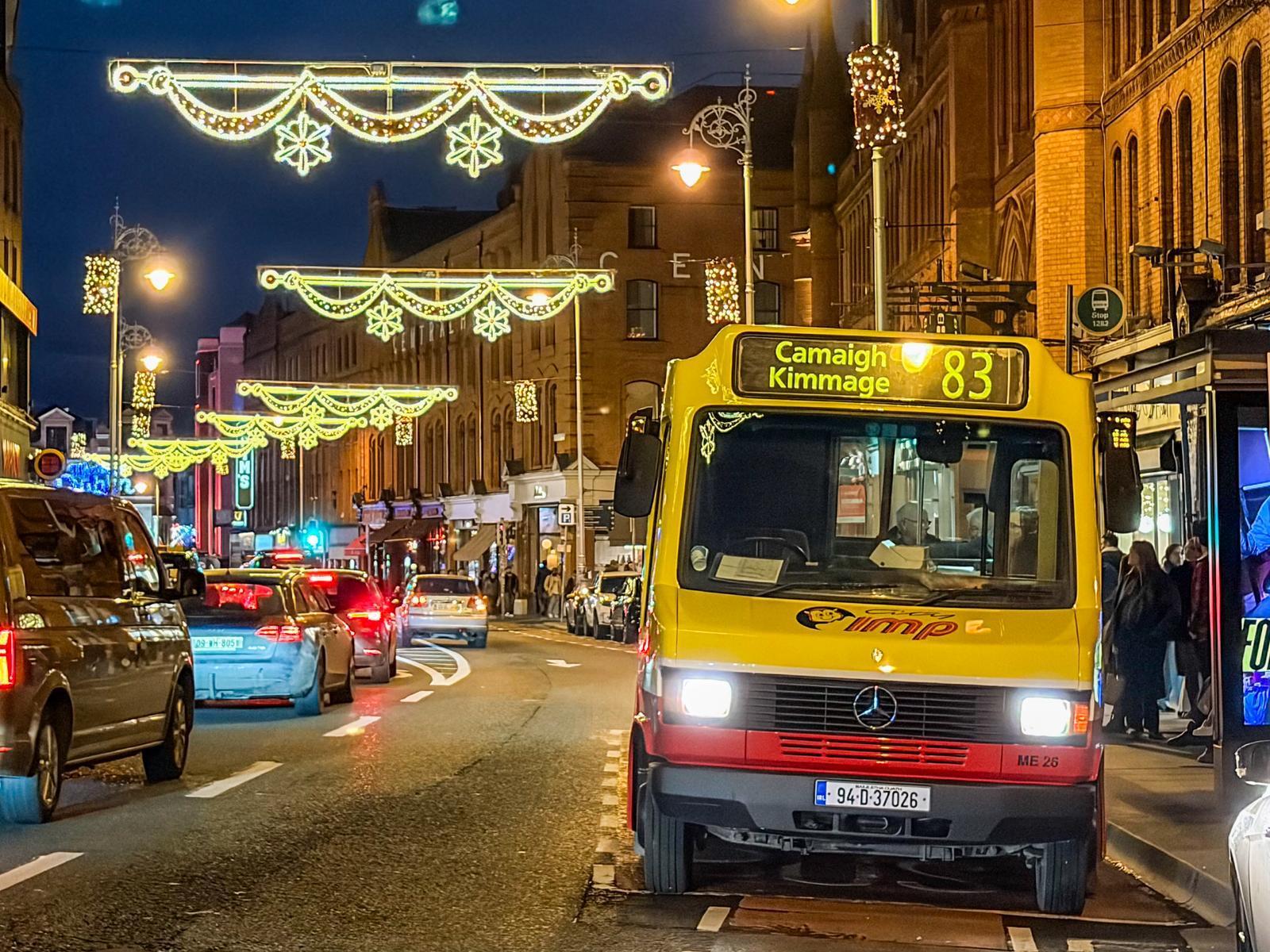
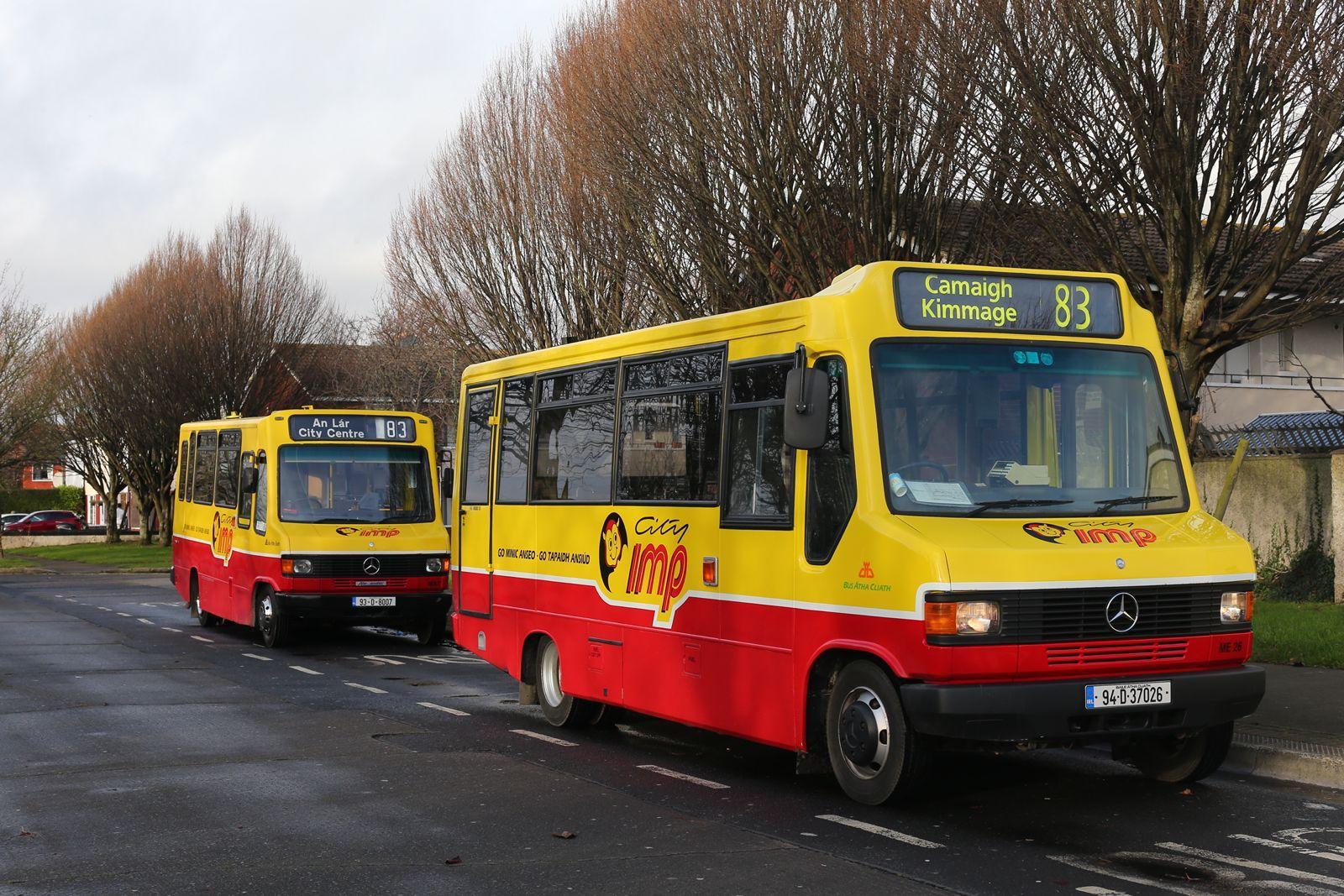
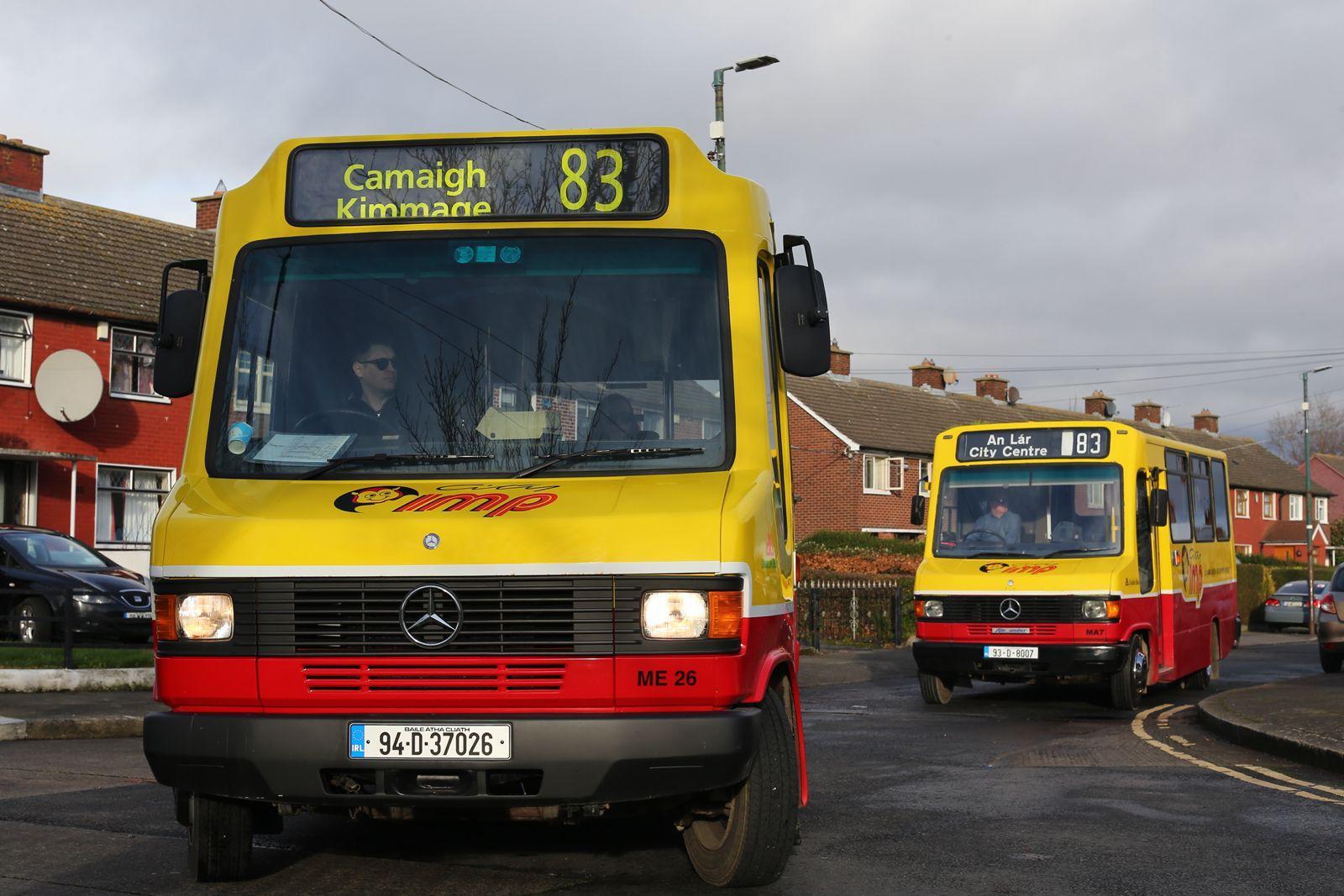
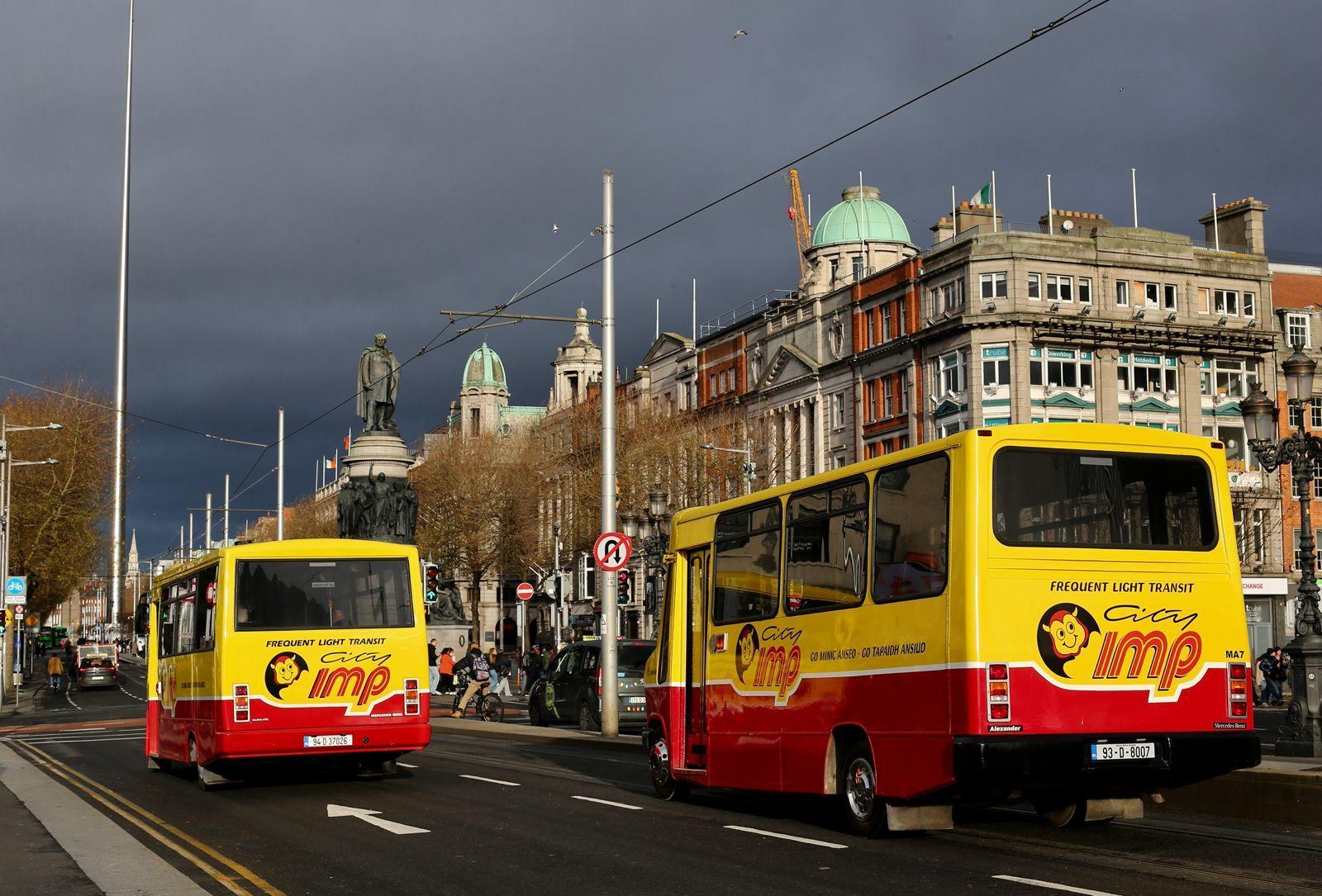
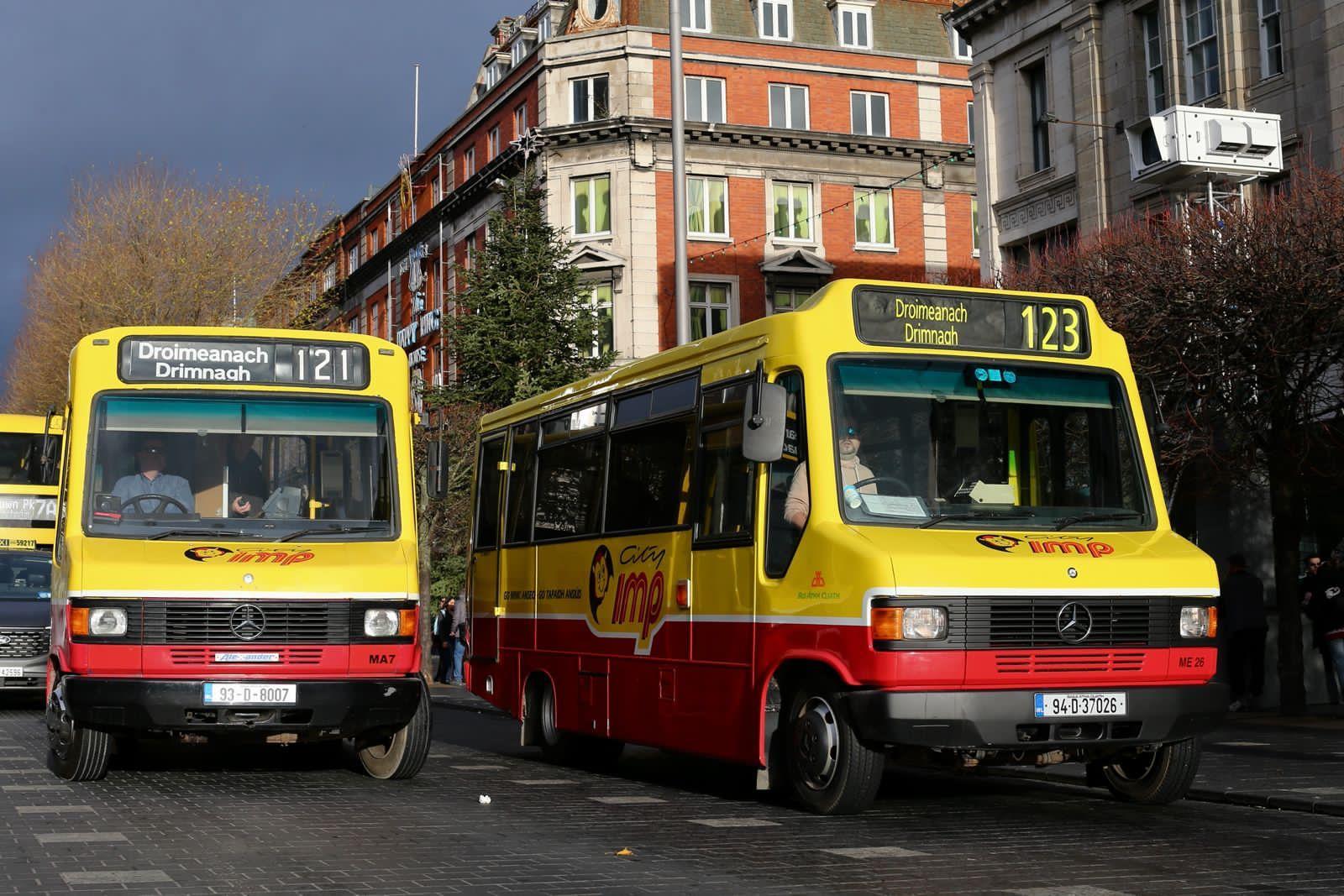
City Imp was introduced as a high-frequency minibus network, instantly recognisable by its distinctive red and yellow livery. Throughout the early 1990s, a number of underperforming low-frequency double-deck and single-deck routes were converted to the City Imp model, with remarkable results.
Routes such as 83, 120, 121, 122, 123, 130, 134, 150, 201 and 202 experienced dramatic increases in passenger numbers, proving that frequency, reliability and simplicity could outperform traditional scheduling models. The transformation was so successful that City Imp ultimately became a victim of its own success, as growing demand eventually exceeded the capacity of the minibus operation itself.
Next, preserved Expressway PD54 was out on an engineering shakedown, whilst out we paid a visit to Busáras before taking a run through Kildare, offering a fitting return to one of the network’s most recognisable intercity settings.
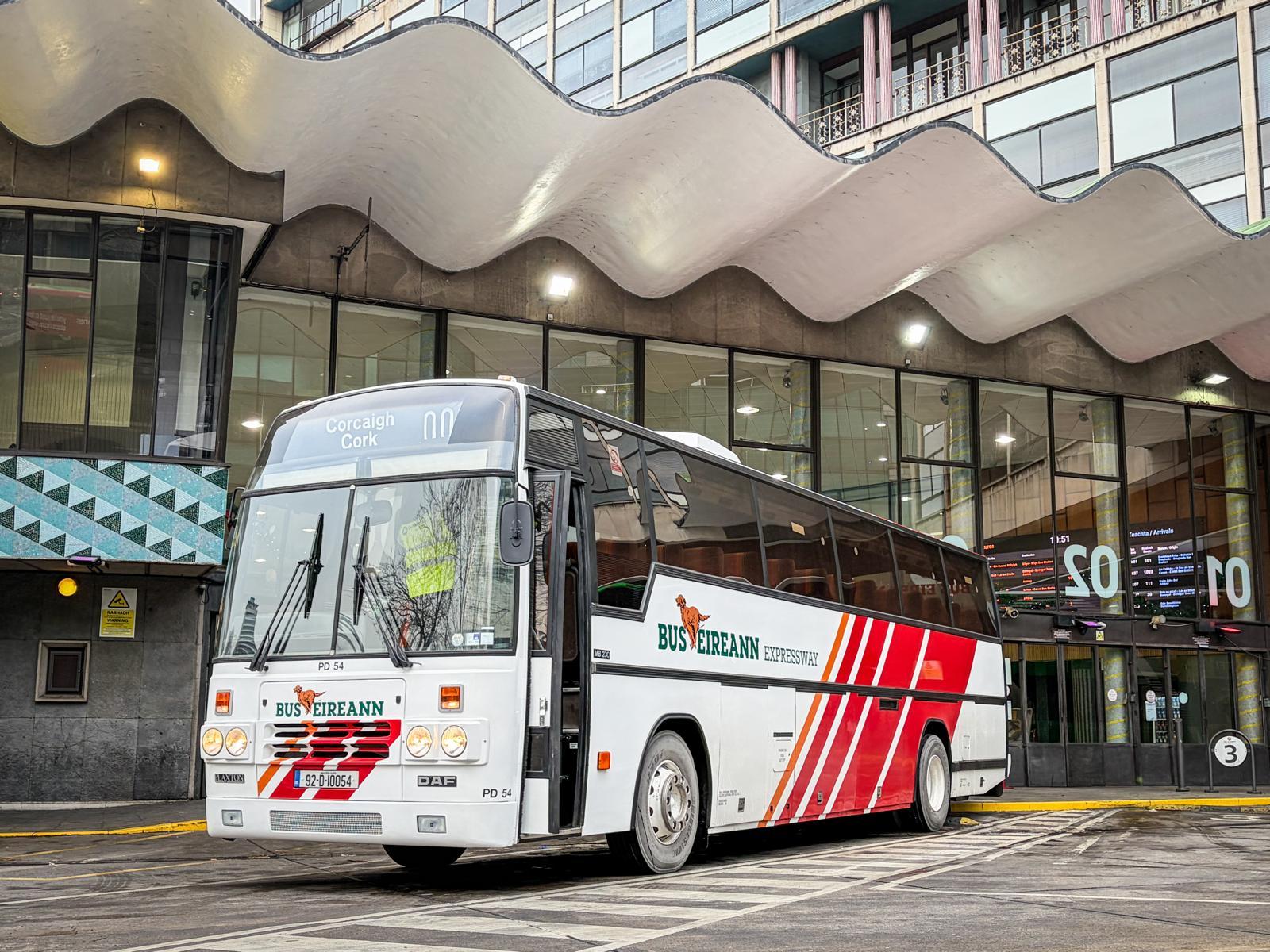
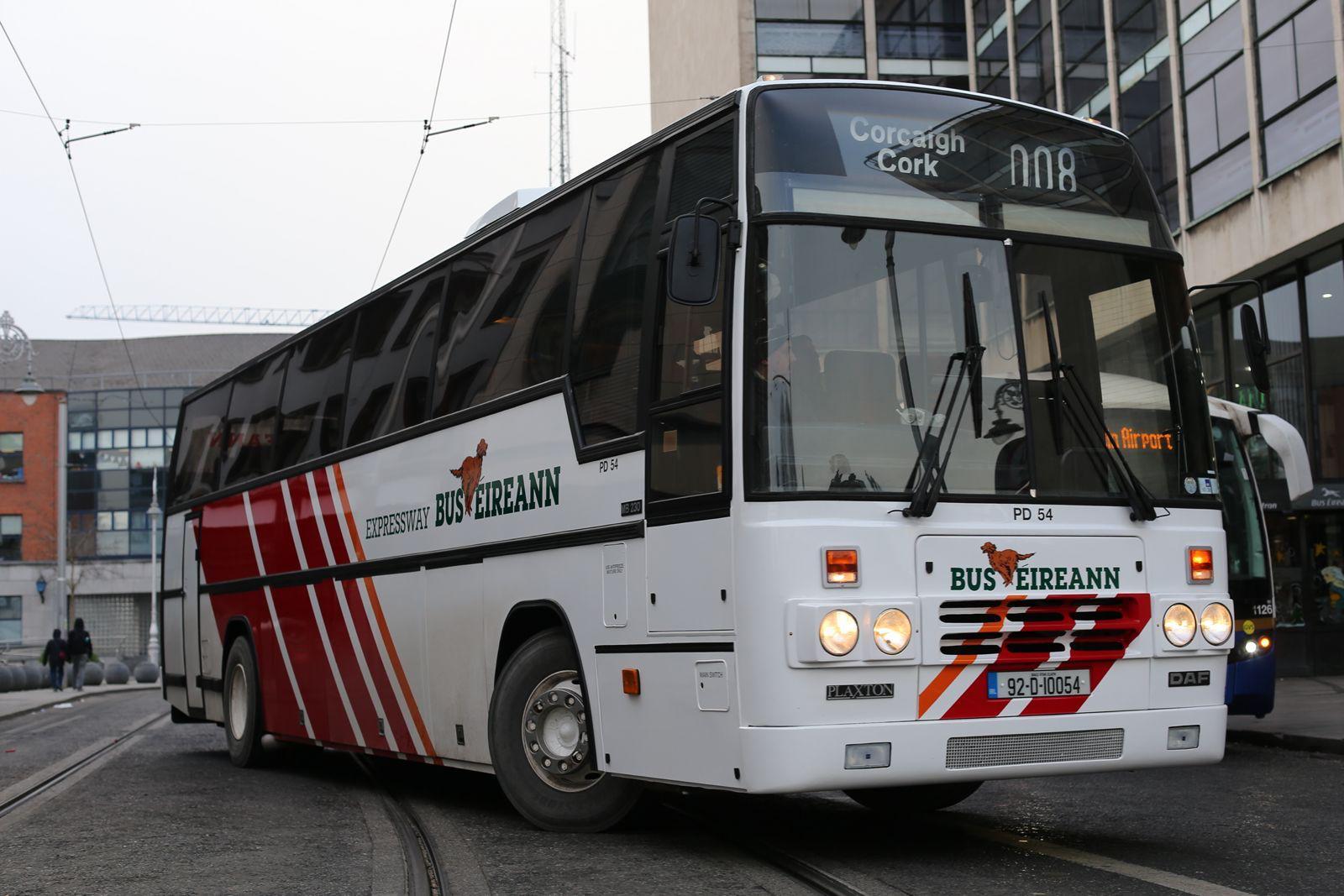
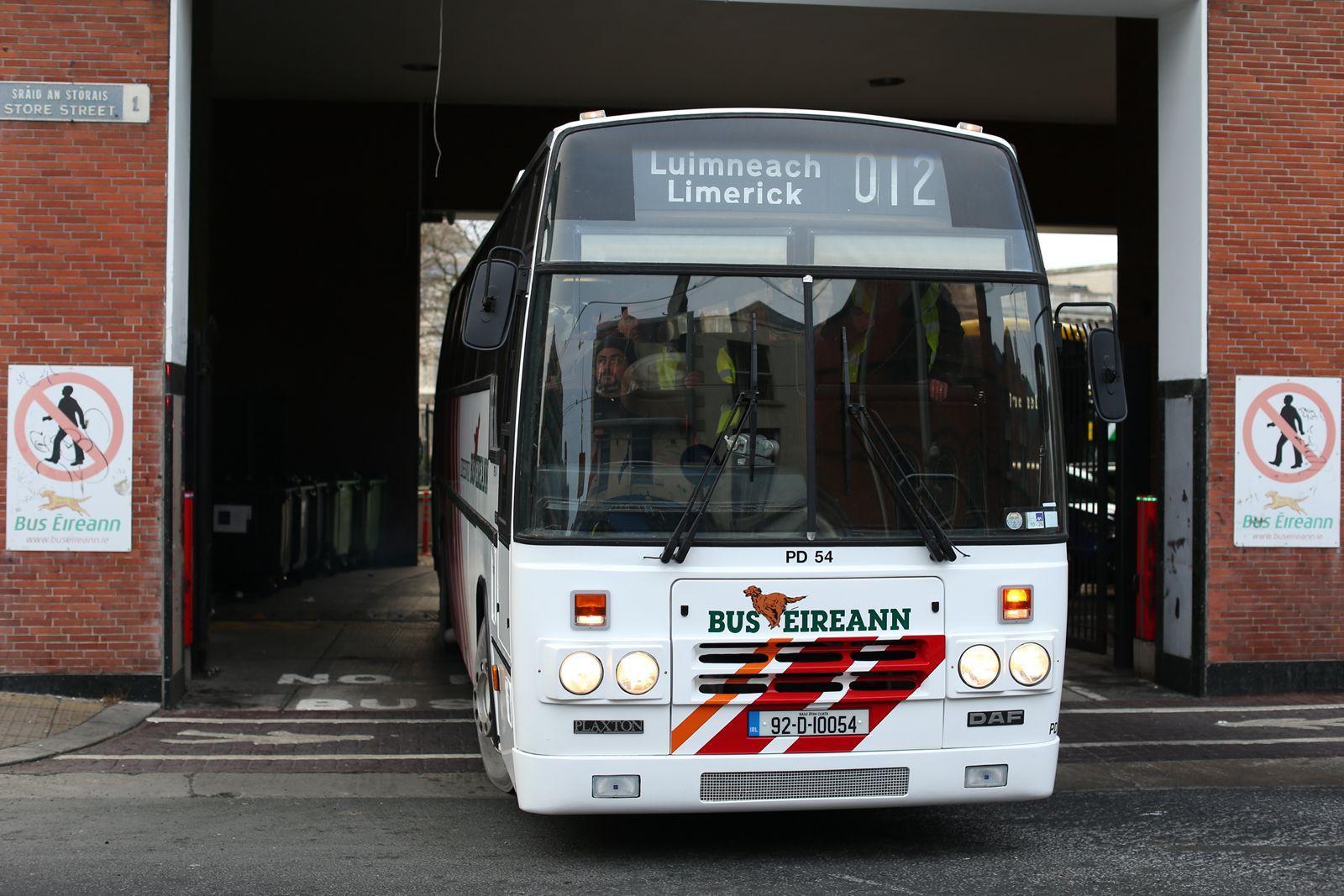
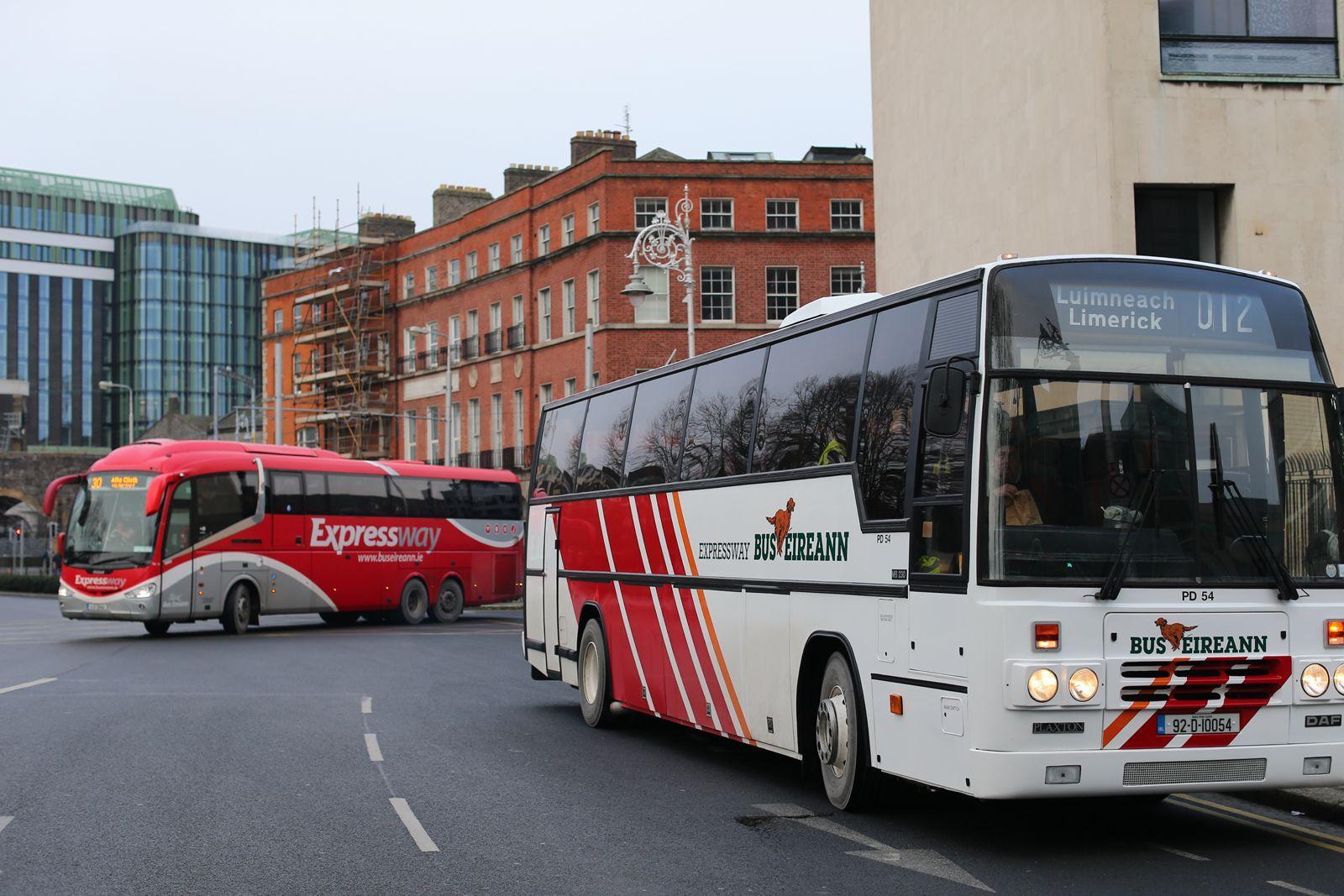
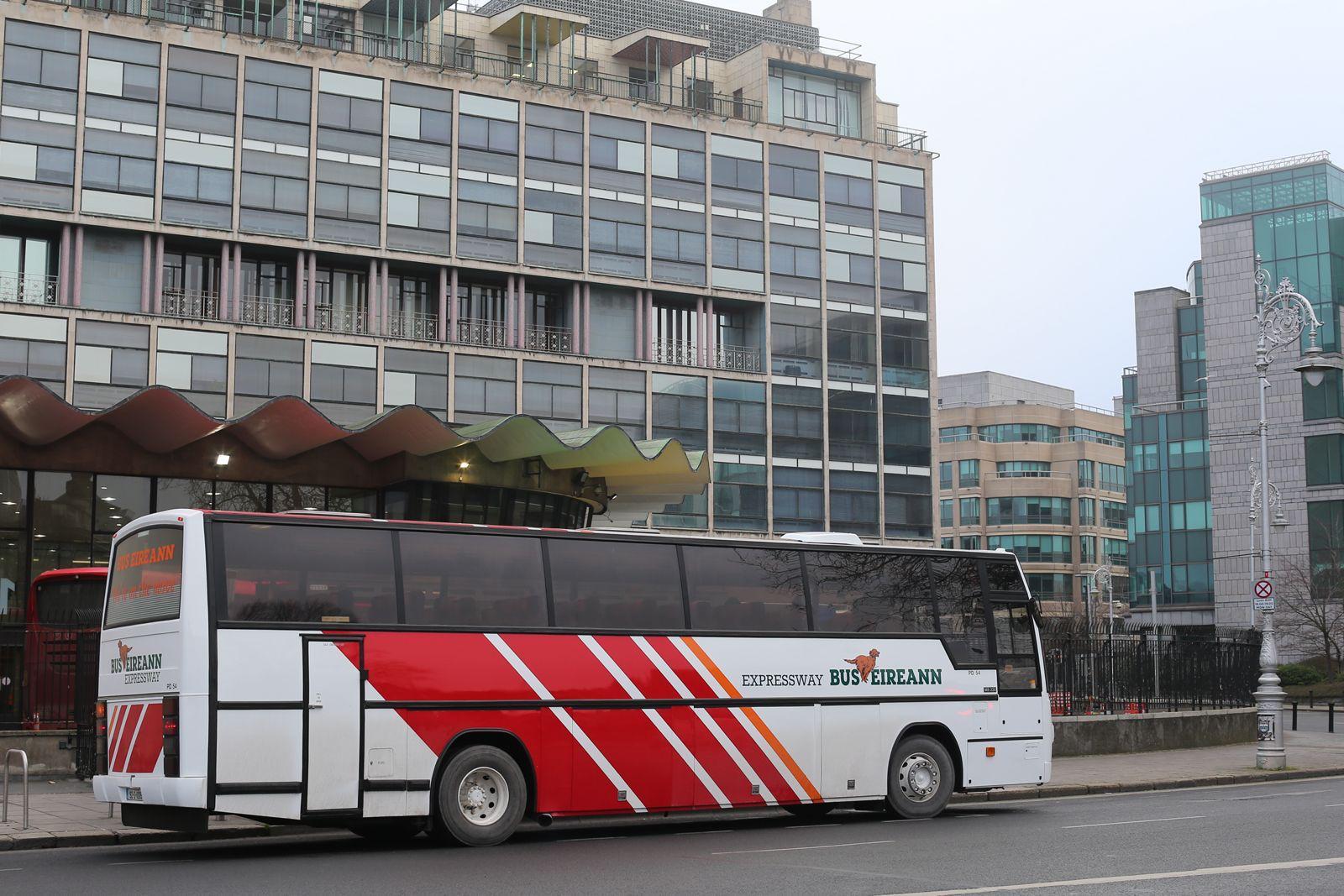
PD54 is a 1992 Plaxton Paramount 3500 MkIII, built on the DAF MB230LT chassis and delivered new to Bus Éireann in the company’s own bespoke specification. This included the distinctive split windscreen and twin round headlights with an intercity-style interior, features that set the PD fleet apart from the standard off the shelf Plaxton Paramount.
Bus Éireann’s Expressway brand can trace its roots back to the 1970s, when Córas Iompair Éireann began modernising and expanding its intercity network. At the time, most provincial services operated via slow, meandering rural routes, despite a growing demand for faster, more direct travel between Ireland’s major towns and cities.
The emergence of a developing national road network created the opportunity for a new type of service, one focused on speed and comfort, with limited stops. This shift was reflected in the introduction of purpose-built express coaches, beginning with the M Class of the 1970s, followed by the KE and TE classes of the 1980s, and later the PD, VC and VP classes of the 1990s. These vehicles helped redefine long-distance coach travel in Ireland and marked a clear move away from traditional stage carriage operations.
As intercity demand continued to grow, Expressway evolved into a distinct commercial operation within Bus Éireann, operating on a more market-driven basis while becoming a recognised national brand for long-distance coach travel.
The final outing brought together some of the most recognisable vehicle types and liveries of the 1990s, representing a cross-section of fleet styles that once defined everyday bus operation during the decade.
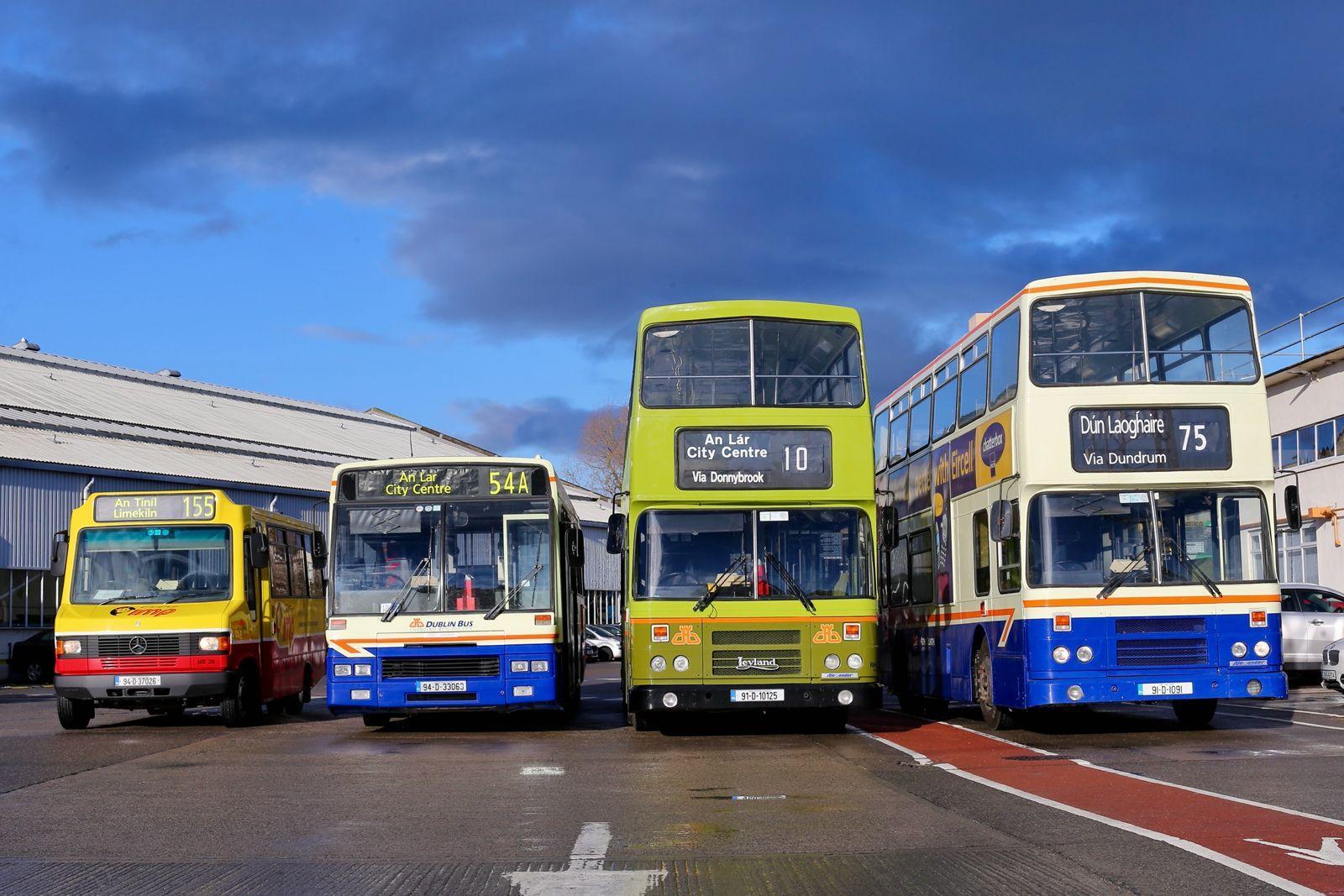
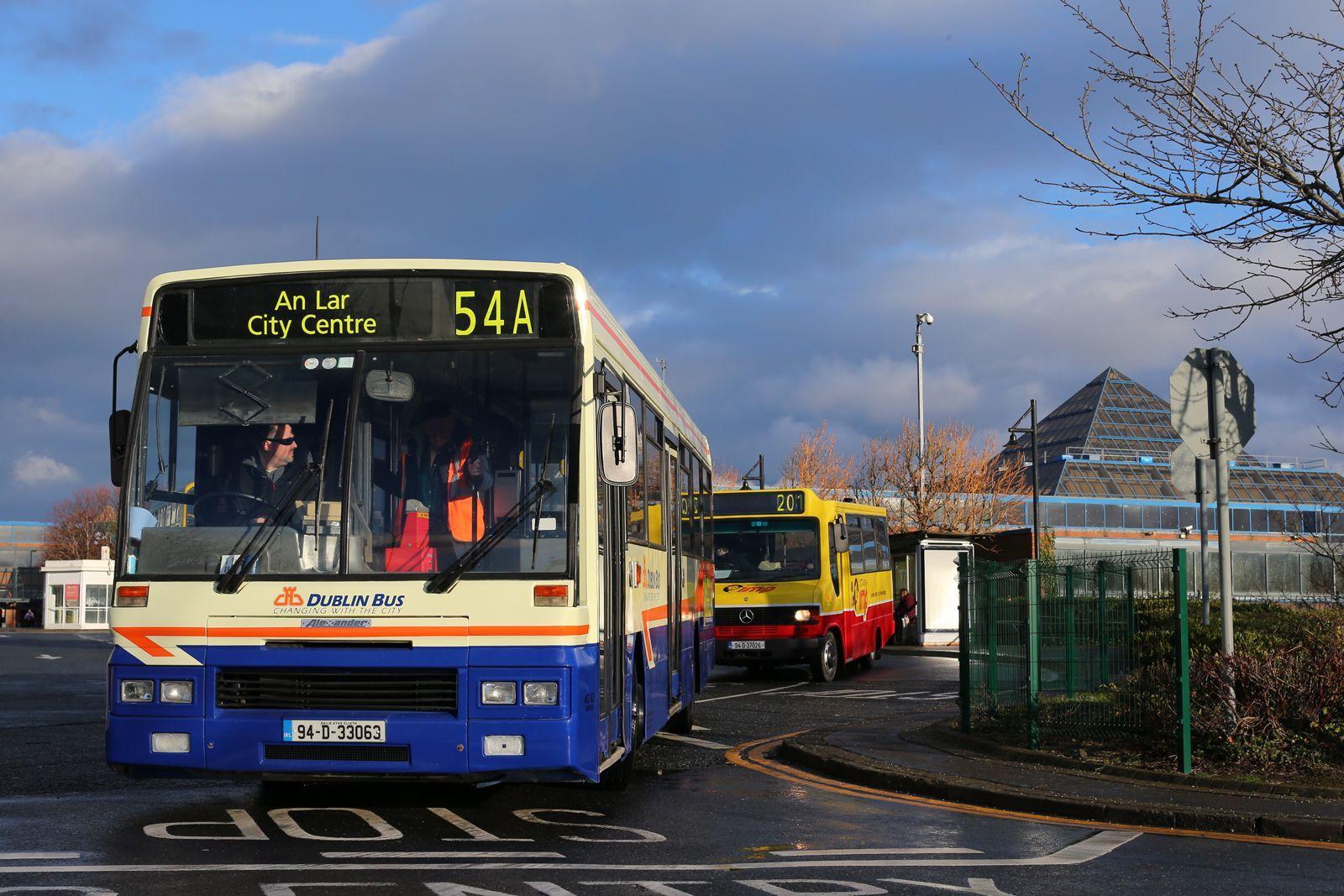
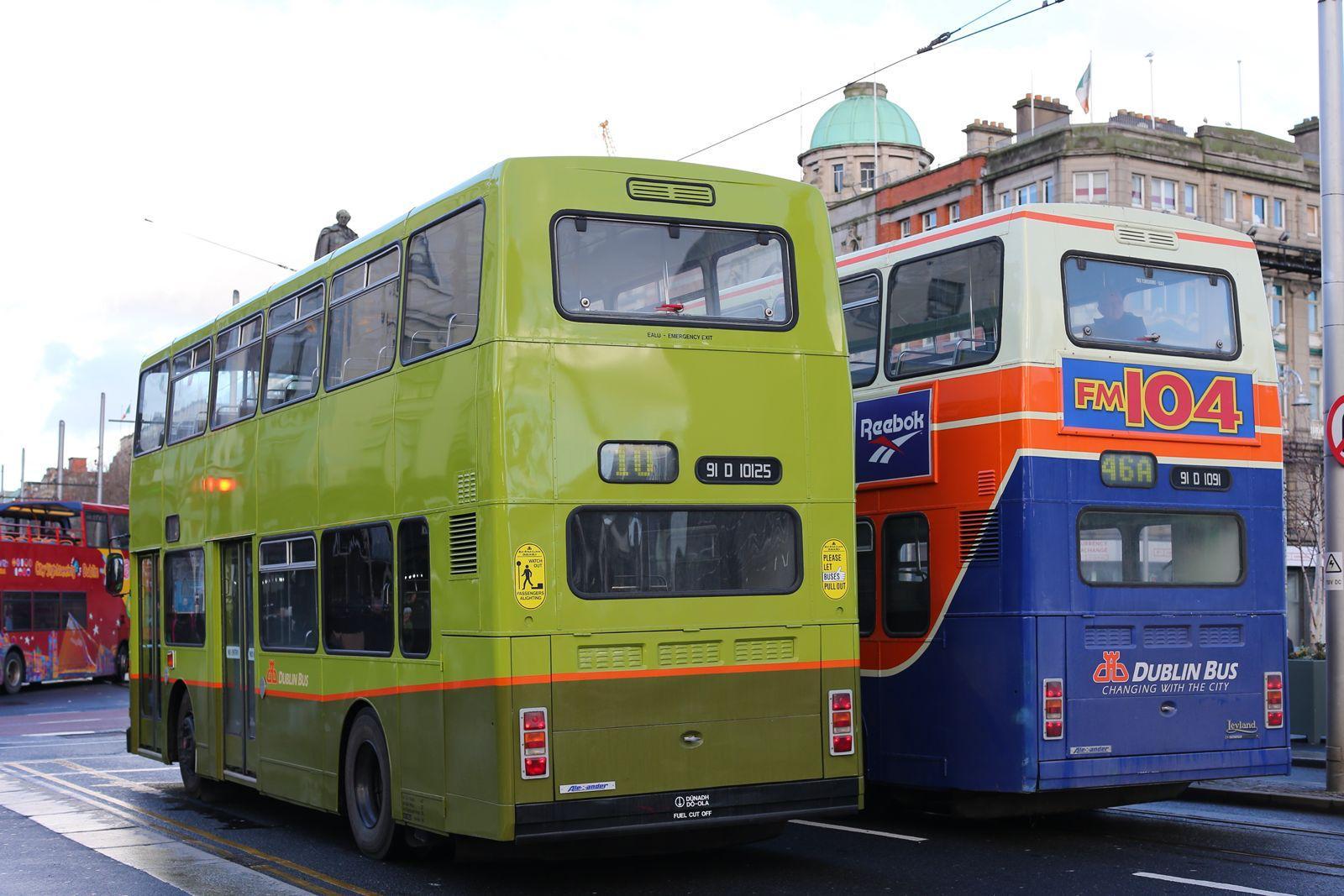
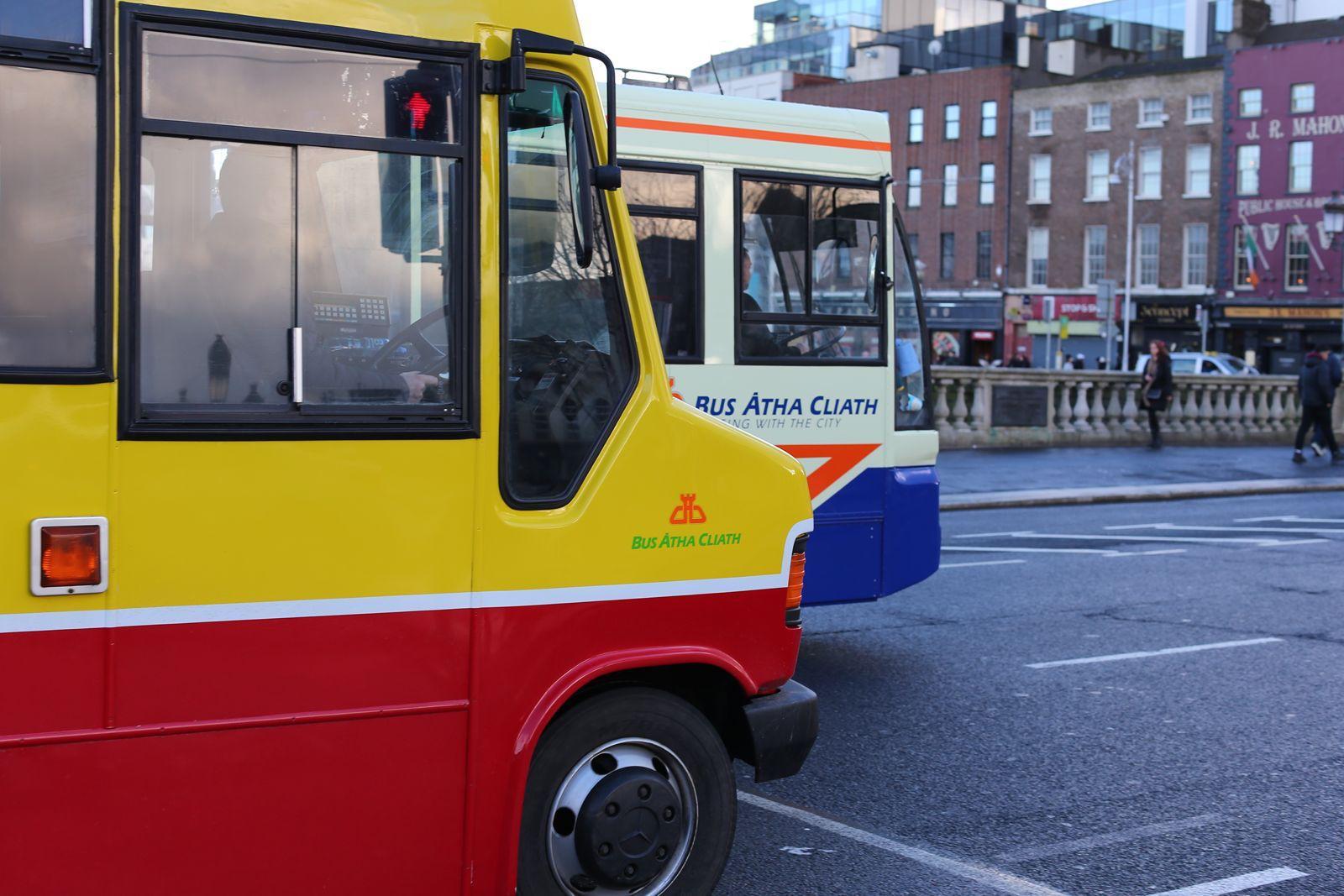
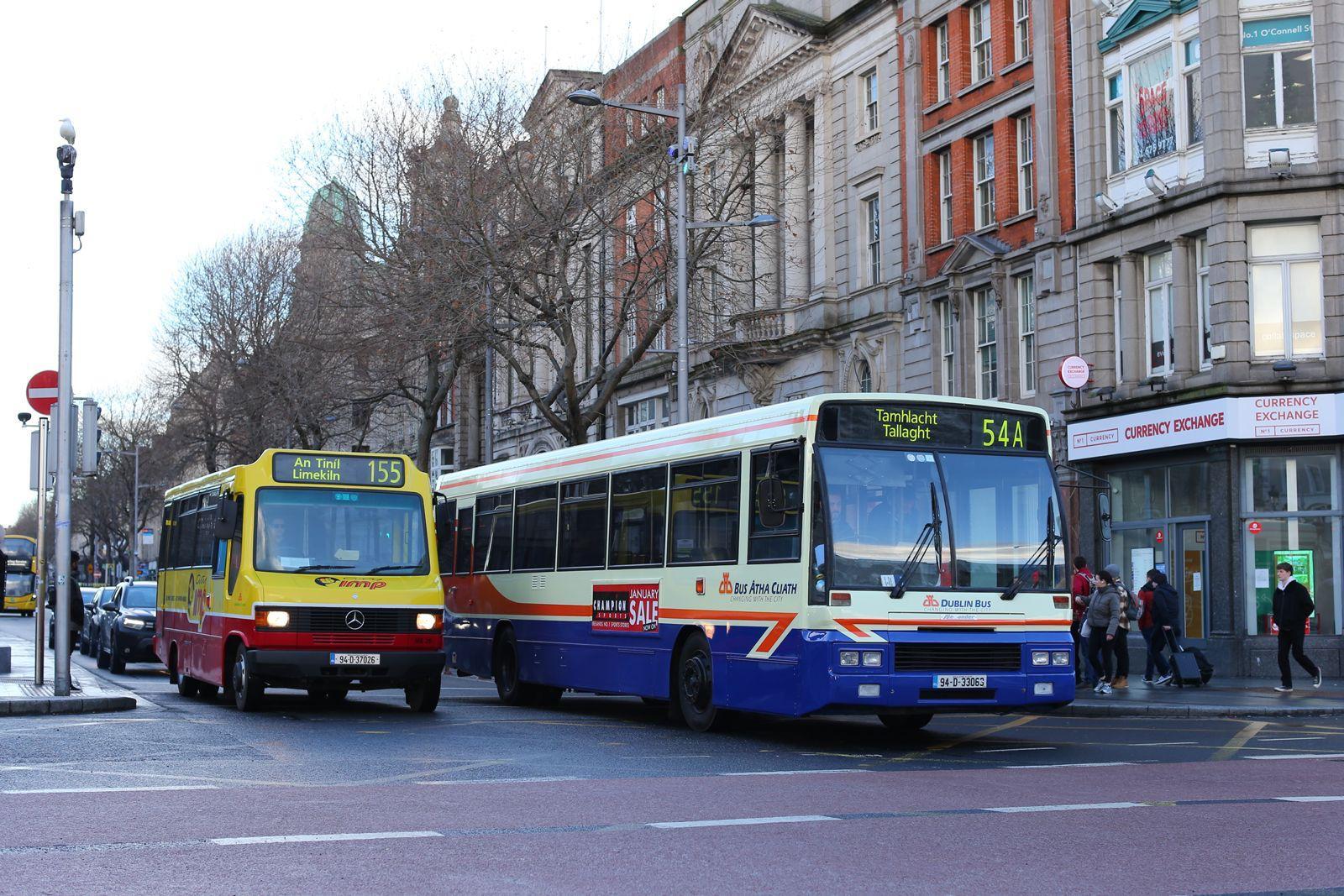
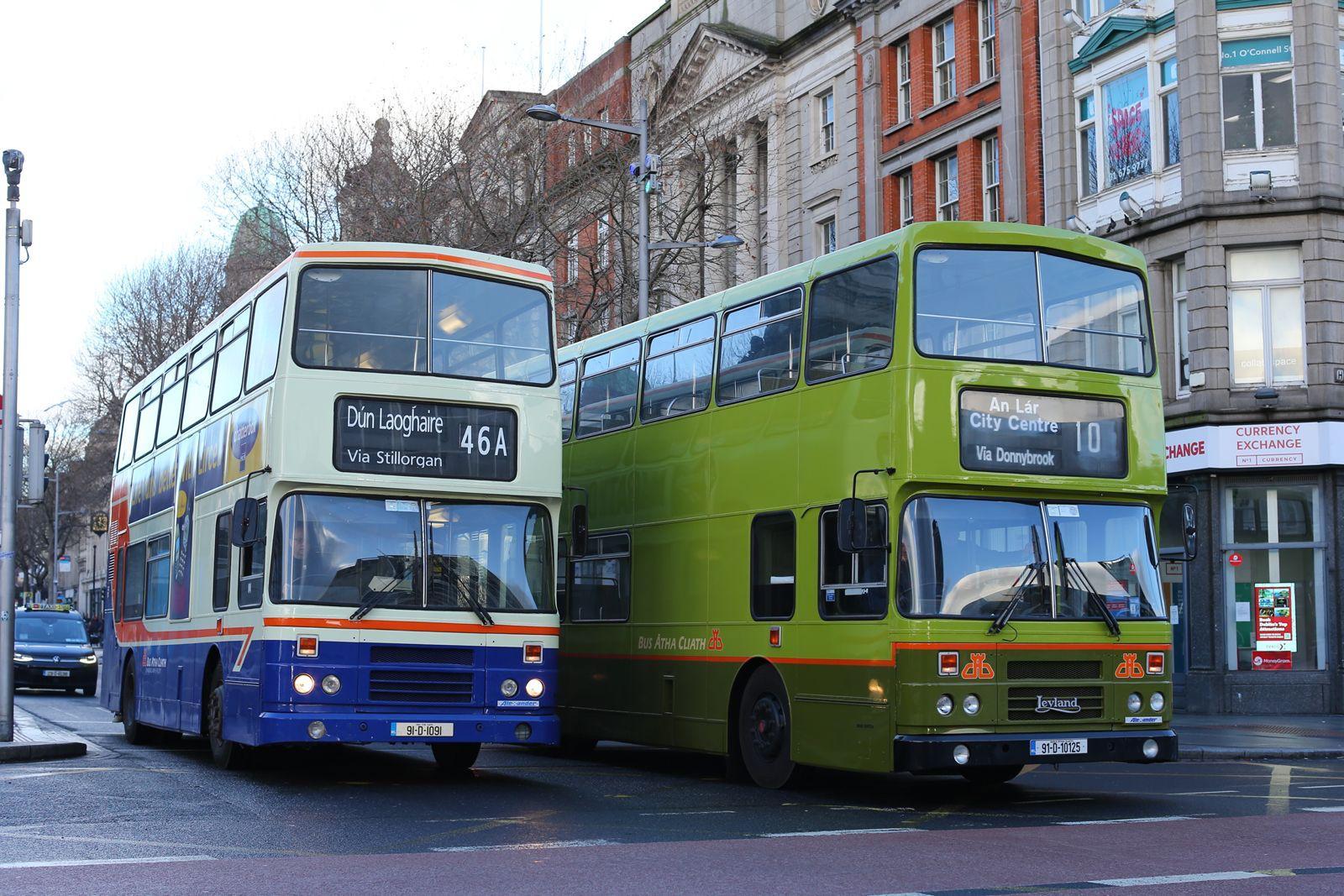
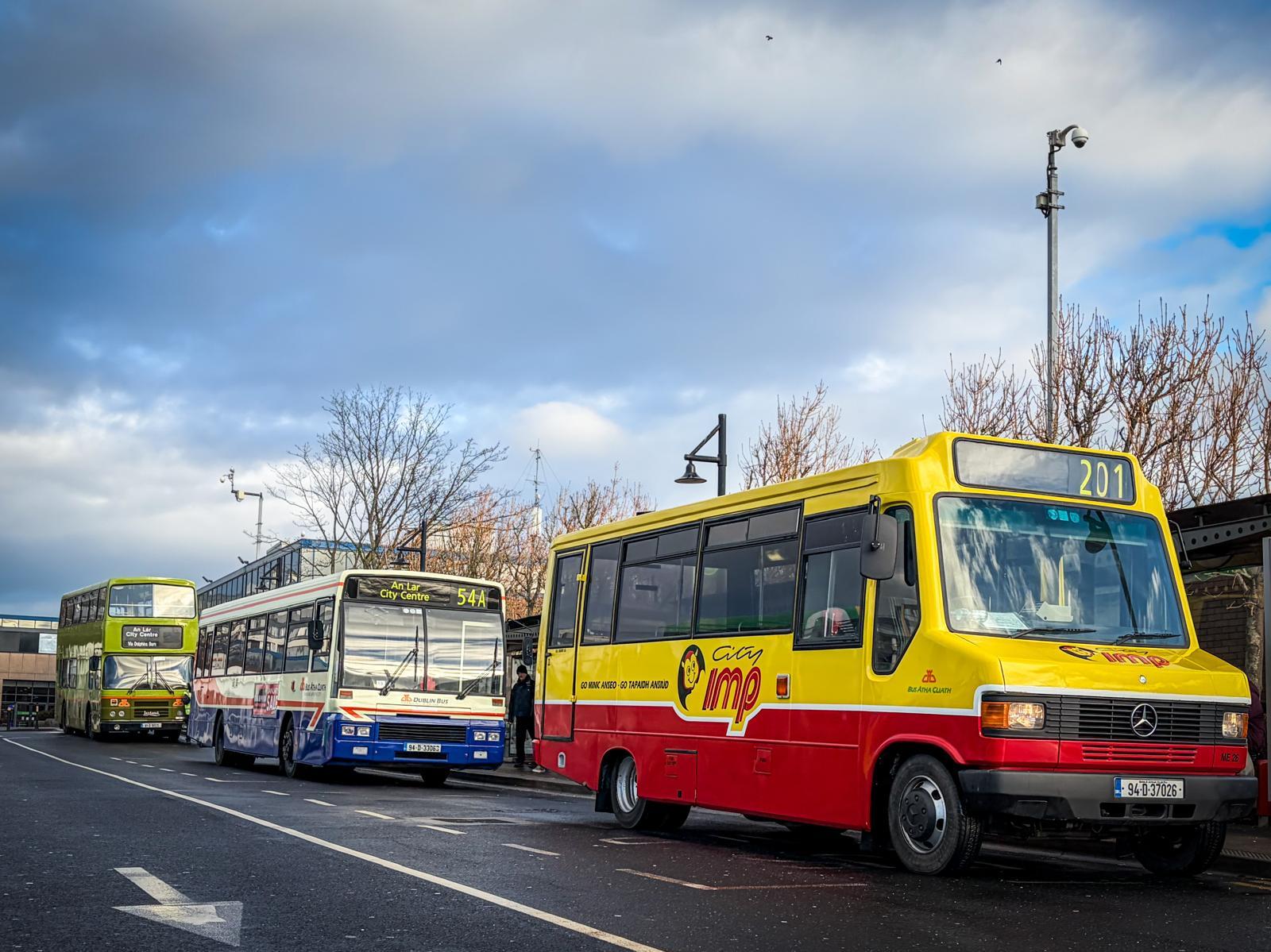
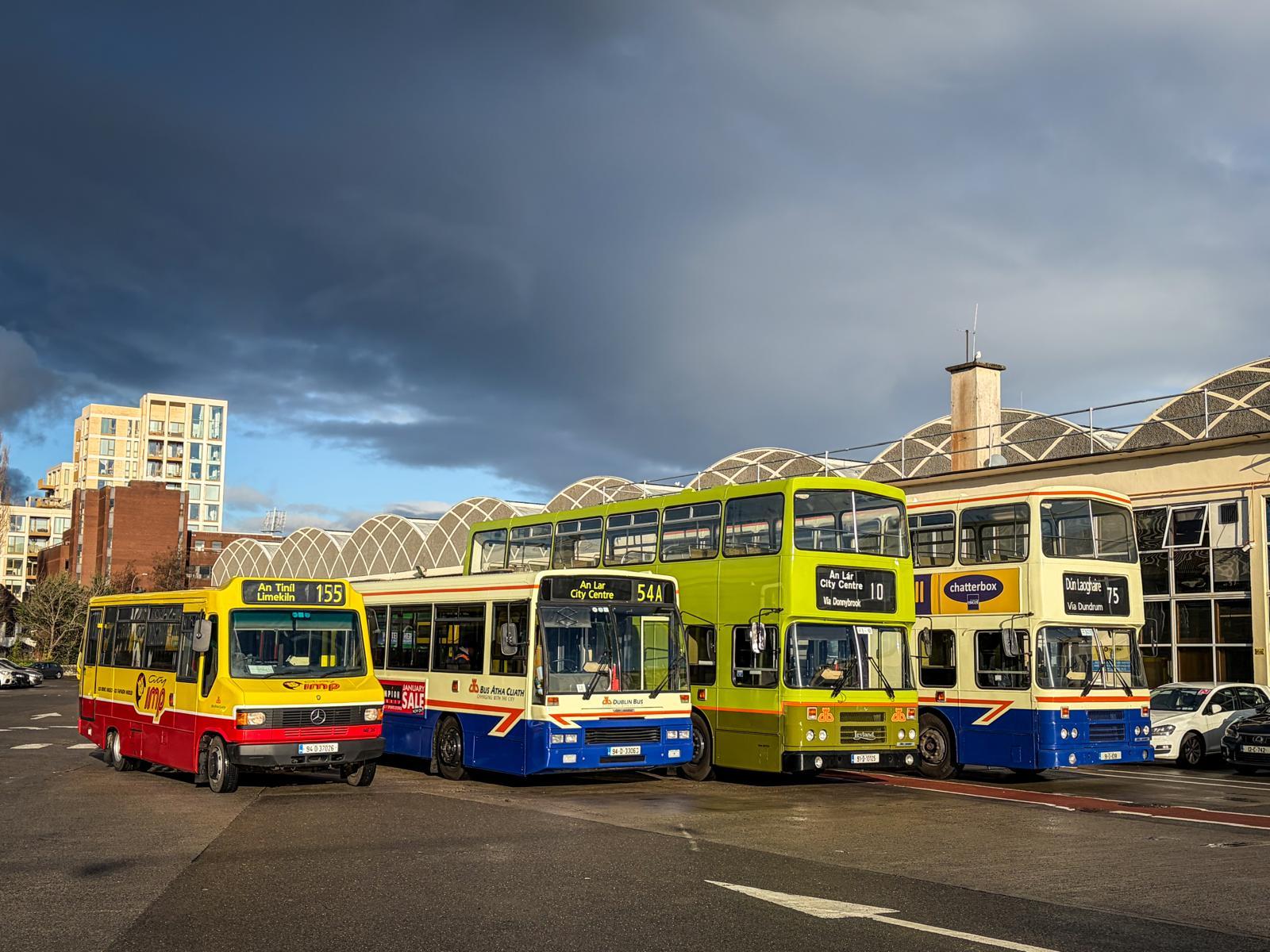
The line-up included RH125, a 1991 Leyland Olympian with Alexander RH bodywork finished in traditional two-tone green, alongside RH91, a sister vehicle from the same year presented in the distinctive CORE livery. They were joined by AD63, a 1994 DAF SB220 Alexander Setanta, also in CORE colours, and ME26, the 1994 Mercedes-Benz 811D Eurocoach in City Imp livery.
Following an initial gathering in Tallaght, the vehicles operated over a varied route taking in Old Bawn, Firhouse, Rathfarnham, Churchtown, Dundrum and Stillorgan, reflecting the type of suburban corridors these vehicles would once have served in daily traffic. A scheduled photo stop was made at Donnybrook Depot, providing a fitting backdrop for vehicles so closely associated with Dublin’s bus network.
After departing Donnybrook, the convoy continued with a number of informal sightseeing loops through the city centre, drawing plenty of attention, and no small amount of amusement from passers-by as a familiar 1990s streetscape briefly returned to Dublin’s streets.
We hope to be out and about more in 2026 – stay tuned!